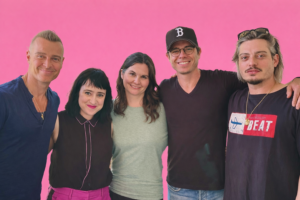


In the modern world, disability advocacy plays a crucial role in fostering inclusivity, accessibility, and equality for all. Through media coverage, personal experiences, and dedicated efforts to amplify the voices of those affected by disability, the conversation about disability rights and services continues to evolve. One such figure contributing to the landscape of disability discourse is Brian Holt. While Holt may not be widely known for having a personal disability, his professional life in journalism and media advocacy, particularly his work in the context of disability awareness, has significantly impacted how disability-related topics are covered and discussed in local communities.
As the managing editor of WEHOonline, a prominent news outlet based in West Hollywood, Holt has used his platform to raise awareness about disability issues, highlight important stories, and emphasize the need for accessible spaces in urban settings. This article aims to explore Brian Holt’s role in disability advocacy, the media’s power in shaping disability narratives, and how Holt’s professional journey intersects with the growing movement for disability inclusion.
Who is Brian Holt?
A Media Professional Dedicated to Community Advocacy
Brian Holt serves as the Managing Editor of WEHOonline, an influential media outlet focused on covering news in West Hollywood. Holt’s professional experience spans across multiple facets of media, including radio, executive production, and digital journalism. His editorial leadership at WEHOonline has shaped the outlet’s focus on not just local news but also issues that directly affect the residents of West Hollywood, including matters related to disability rights, accessibility, and inclusion.
Although Holt himself is not publicly recognized as someone living with a disability, his professional role places him in close proximity to the issues affecting the disabled community. Under his guidance, WEHOonline has featured numerous articles about accessibility challenges, public services for people with disabilities, and disability rights legislation. Holt’s editorial stance has been to highlight and amplify issues faced by disabled individuals, ensuring that these voices are heard and that the broader community is informed.
A Focus on Disability Awareness in Media
The role of media in shaping public perception cannot be overstated. In a world where accessibility issues are often overlooked, Brian Holt’s work provides an invaluable service. His coverage goes beyond the usual narratives, exploring the everyday challenges that individuals with disabilities face. Through WEHOonline, Holt has directed the conversation toward inclusive policies, highlighting the intersection between urban design, accessibility, and the lived experiences of disabled individuals.
Holt’s editorial direction has made WEHOonline a platform that advocates for the rights of people with disabilities, giving them a voice in local discussions that influence policy and social attitudes.
Disability Advocacy and Community Recognition
The 27th Annual Disability Service Awards
One of the significant milestones in Holt’s involvement with disability issues occurred during the 27th Annual Disability Service Awards in West Hollywood. These awards celebrate individuals, organizations, and businesses that have made extraordinary contributions to improving the lives of people with disabilities. Holt’s outlet, WEHOonline, received the prestigious Media Award for its continued coverage of disability advocacy, accessibility, and related community efforts.
The Disability Service Awards serve as an example of how media outlets like WEHOonline can amplify efforts toward equality and accessibility. The event recognized key players in the field of disability services, including local residents who have advocated for better facilities, programs, and policies aimed at improving the lives of people with disabilities in West Hollywood.
Holt’s involvement in covering this event and his publication’s recognition in the media category reflect a growing trend of media organizations playing a crucial role in disability advocacy. By shining a light on these issues, Holt and WEHOonline contribute to increasing public awareness and social acceptance of people with disabilities, moving beyond mere representation to active participation in the civic conversation.
Impact of Disability Advocacy in West Hollywood
West Hollywood is a city known for its progressive policies, particularly in the areas of inclusivity and accessibility. Holt’s editorial work has been instrumental in highlighting West Hollywood’s role as a model city for disability inclusion. The local government’s efforts to improve public transportation, increase the availability of accessible housing, and support community programs for disabled residents have all been brought into the spotlight under Holt’s watchful eye.
Disability advocacy is not a niche topic in West Hollywood; it is a core aspect of the city’s cultural and political identity. Through Holt’s coverage, WEHOonline plays a part in ensuring that the voices of disabled residents are not only heard but also taken seriously in the conversation about urban development and social inclusion.
Challenges in Accessibility and Urban Design
The Sidewalk Robot Incident: A Case Study in Disability Access
One noteworthy example of Brian Holt’s commitment to reporting on disability issues in West Hollywood involved an incident with delivery robots obstructing sidewalks. These robots, designed to deliver food and other goods, have become a regular feature in urban landscapes. However, they pose a significant challenge for individuals with disabilities, particularly those with mobility issues who rely on accessible sidewalks to navigate their communities.
In a report published by WEHOonline, Holt highlighted the concerns raised by local residents about robot delivery systems blocking sidewalks and creating hazards for those with limited mobility. The article underscored the importance of designing smart cities that take into account the needs of all residents, including those with disabilities. Holt’s coverage drew attention to the need for inclusive urban design that anticipates and addresses the challenges posed by new technologies.
The piece not only shed light on a specific issue but also sparked a broader conversation about the intersection of technology, accessibility, and the needs of people with disabilities. This is just one example of how Holt’s work in media has contributed to advocating for better accessibility in both public spaces and technological innovations.
Accessibility and Urban Planning: The Broader Discussion
As cities continue to grow and adapt to technological advancements, the need for inclusive urban planning becomes even more pressing. Holt’s coverage of issues like sidewalk accessibility is part of a larger effort to engage the public in conversations about how cities can be made more accessible to everyone, including those with disabilities. These discussions are crucial because they help influence the development of smart cities that prioritize inclusion and universal access.
When media outlets like WEHOonline shine a light on these issues, they encourage public officials, developers, and urban planners to consider the needs of all citizens in their designs. Holt’s work highlights the importance of accessibility in the urban planning process and ensures that people with disabilities are not left behind in the development of future cities.
Disability Representation in Media: The Role of Journalism
The Importance of Representation
Brian Holt’s work as a journalist, particularly his coverage of disability-related issues, is a testament to the power of media in shaping public perceptions. Representation matters, not just for the disabled community, but for society at large. By covering stories related to disability rights, accessibility challenges, and community inclusion, Holt helps to change the narrative around disability.
Media plays a pivotal role in disrupting stereotypes and amplifying voices that have been historically marginalized. Holt’s journalistic efforts contribute to the growing movement for disability inclusion by focusing on both the challenges and successes of people with disabilities. These stories help normalize disability and foster a more inclusive society.
Challenging the Stigma Around Disability
By focusing on humanizing disability stories, Holt challenges the traditional stigmas that often surround disabilities. Many media outlets have historically focused on the medical aspects of disability, framing people with disabilities as passive recipients of care rather than active participants in society. Holt’s approach, however, showcases people with disabilities as leaders, advocates, and contributors to their communities. This shift in representation is crucial for changing public perceptions and creating a more inclusive society.
Conclusion: Brian Holt’s Legacy in Disability Advocacy
While Brian Holt may not personally identify as someone living with a disability, his work in media and advocacy plays a significant role in advancing the rights of disabled individuals. Through his leadership at WEHOonline, Holt has used his platform to highlight the issues facing the disabled community, advocate for inclusive policies, and raise awareness about accessibility challenges in urban environments.
Holt’s efforts in reporting on issues like sidewalk accessibility, the role of new technologies, and the recognition of disability service providers have made him an influential figure in the disability advocacy space. His work is a reminder of how the media can be a powerful tool in shaping social attitudes and influencing policy change. By amplifying the voices of people with disabilities, Holt contributes to a broader movement toward a more inclusive, accessible, and equitable society.
As cities like West Hollywood continue to lead the charge in disability rights and urban accessibility, Brian Holt and other media professionals play a vital role in ensuring that disability remains at the forefront of public discourse.